Follow Me On Social Media!


Vegetarian Pasta Primavera

Vegetarian Pasta Primavera
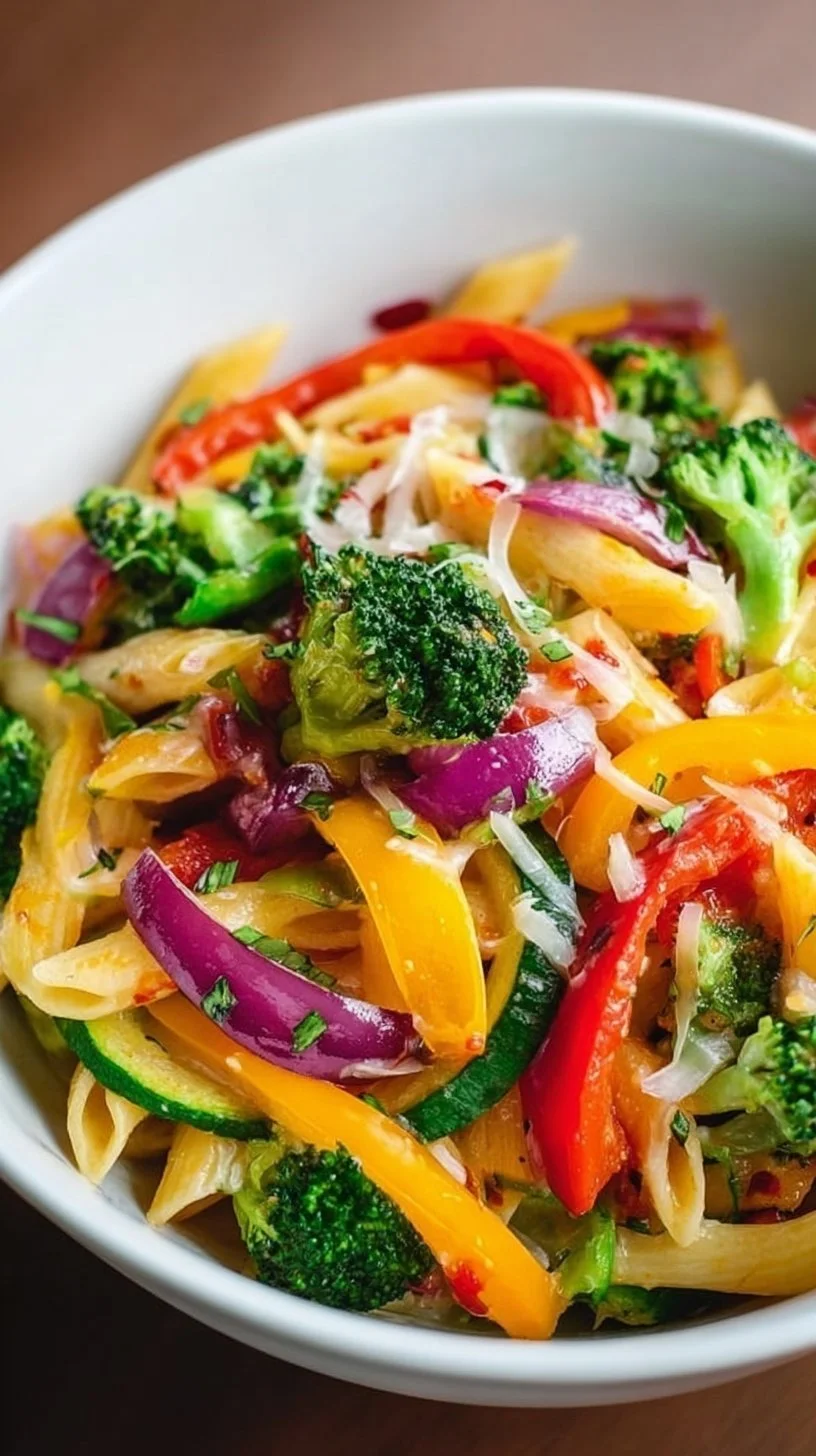
Vegetarian Pasta Primavera is a colorful and vibrant dish that effortlessly showcases the beauty of seasonal vegetables, fresh herbs, and robust flavors. This dish not only embodies the essence of spring but also serves as a canvas for culinary creativity. As you delve into this recipe, you’ll discover that it embodies freshness, health, and a delightful medley of textures, making it a perfect choice for both special occasions and everyday meals.
What Makes This Recipe Stand Out
This Vegetarian Pasta Primavera recipe goes beyond simple comfort food; it’s an experience that tantalizes the taste buds while paying homage to nature’s bounty. First and foremost, the seasonality of the vegetables plays a significant role in the dish’s appeal. You can utilize vegetables that are at their peak freshness, enhancing the overall flavor profile and giving the dish a vibrant color palette. Fresh ingredients not only contribute to a more delicious meal but also offer numerous health benefits.
Additionally, Pasta Primavera is incredibly versatile. Depending on your preferences or the produce available, you can easily swap out ingredients without compromising the dish. This adaptability means that whether you’re a long-time vegan, a health-conscious eater, or simply looking to incorporate more vegetables into your diet, you can customize this pasta to suit your taste.
Moreover, the method of preparation fosters a delightful textural contrast. The al dente pasta, combined with crisp-tender vegetables, creates a satisfying mouthfeel, while the aromatic garlic and herbs perfume the dish, captivating anyone who takes a whiff. The garnish of fresh basil and a sprinkle of Parmesan (if not strictly vegan) elevate the dish further, giving it that gourmet touch without requiring a chef’s skills.
Lastly, this recipe emphasizes simplicity and ease of preparation. You don’t need extensive cooking experience to create a meal that tastes restaurant-quality. With just a few ingredients and a one-pan method, you can whip up a substantial meal in under 30 minutes, making it a practical option for busy weeknights or spontaneous dinner gatherings.
Ingredient Breakdown
Ingredients
- 8 oz. of your choice of pasta (spaghetti, penne, or fusilli)
- 2 tablespoons of extra virgin olive oil
- 3 cloves of garlic, minced
- 1 red bell pepper, diced
- 1 yellow bell pepper, diced
- 1 medium zucchini, sliced
- 1 cup of broccoli florets
- 1 cup of cherry tomatoes, halved
- Salt and black pepper, to taste
- Fresh basil leaves, for garnish
- Grated Parmesan cheese, for serving (optional)
When making Vegetarian Pasta Primavera, choose high-quality pasta as the foundation for your dish. Opting for whole grain or gluten-free varieties not only aligns with dietary preferences but can also enhance flavor and nutrition. The extra virgin olive oil serves a dual purpose; it not only provides a rich, fruity flavor that rounds out the dish but also offers healthy fats that help absorb the fat-soluble nutrients present in the vegetables.
Garlic adds depth and aroma, elevating the freshness of the vegetables. Red and yellow bell peppers not only provide a sweet crunch but also contribute essential vitamins, such as Vitamin C. The zucchini adds versatility and moisture to the pasta, while the broccoli introduces a unique texture and serves as a great source of fiber and nutrients.
Cherry tomatoes bring a burst of sweetness and acidity, which brightens the entire dish. As you add salt and fresh black pepper to season, consider the balance of flavors; the seasoning should highlight the natural sweetness of the vegetables without overpowering them. Finally, finishing touches of fresh basil and grated Parmesan lend specific character and nuance—basil adds an herbal freshness, while Parmesan introduces a creamy, umami-rich note when sprinkled on top.
Here’s a look at how the ingredients contribute to this delightful dish:
| Ingredient | Role in the Dish |
|——————-|—————————————|
| Pasta | Base, provides carbohydrates |
| Olive Oil | Flavor enhancer, adds healthy fats |
| Garlic | Aromatic infusion |
| Bell Peppers | Sweetness, crunch, nutritional benefits |
| Zucchini | Moisture, texture |
| Broccoli | Fiber, unique texture |
| Cherry Tomatoes | Sweet acidity |
| Salt and Pepper | Enhances overall flavor |
| Basil | Fresh aroma, herbal note |
| Parmesan Cheese | Creamy richness (optional) |
Step-by-Step Preparation for Vegetarian Pasta Primavera
Step One
To embark on your Vegetarian Pasta Primavera adventure, begin by cooking the pasta. Fill a large pot with water, bringing it to a rolling boil. Once boiling, generously season the water with salt—it should taste like the ocean, as this is your primary opportunity to infuse flavor into the pasta. Add your choice of pasta and cook according to the package instructions until al dente, which typically takes about 8 to 10 minutes. Once properly cooked, drain the pasta in a colander while reserving a quarter cup of pasta water, a crucial ingredient for later stages of assembly. Set the drained pasta aside for the moment, allowing it to cool slightly while you prepare the vegetable medley.
Step Two
With the pasta set aside, heat a large skillet over medium heat and pour in the extra virgin olive oil. As the oil warms up, it will begin to shimmer; this is your cue to add the minced garlic. Sauté it for about 30 seconds, allowing it to become fragrant but not browned, as burnt garlic can turn bitter. Then, add the diced red and yellow bell peppers. Stir the vegetables together, cooking them for about three minutes until they soften slightly. The colors will dance together in a delightful vibrant display, signaling that your dish is moving closer to completion.
Step Three
Next, it’s time to incorporate more of those vibrant vegetables. Add the sliced zucchini and broccoli florets to the skillet, tossing everything together so the vegetables are well-combined. Continue cooking for an additional three to five minutes, stirring frequently to ensure even cooking. You want them to maintain a tender-crisp texture so that they complement the pasta rather than becoming mushy. The cooking process will release a symphony of scents, filling your kitchen with the comforting aroma of sautéing produce.
Step Four
Now that your vegetables are perfectly cooked, introduce the halved cherry tomatoes into the mix. Season the mélange with salt and pepper, adjusting to taste. At this point, it’s essential to assess the balance of flavors—after all, the aim is to create a harmonious dish where no single ingredient overpowers another. Finally, add the cooked pasta to the skillet, tossing everything together until well combined. If the dish seems dry, add the reserved pasta water, a little at a time, stirring until you reach your desired consistency. This step is crucial; the starchy pasta water will help to bind everything together, creating a lovely sauce that clings to the pasta. Serve the dish warm, garnished with fresh basil leaves and a sprinkle of grated Parmesan if desired.
Full Cooking Directions
- Cook the pasta according to the package instructions until al dente, then drain and set aside. Reserve a quarter cup of pasta water.
- In a large skillet, heat olive oil over medium heat. Sauté minced garlic until fragrant (about 30 seconds).
- Add diced red and yellow bell peppers; cook for 3 minutes until slightly softened.
- Incorporate sliced zucchini and broccoli; cook for an additional 3–5 minutes while stirring.
- Add halved cherry tomatoes and season with salt and pepper.
- Toss in the cooked pasta, mixing everything thoroughly. If needed, add reserved pasta water for desired consistency.
- Serve warm, garnished with fresh basil and grated Parmesan cheese if desired.
Pro Tips & Extra Guidance
To enhance your Vegetarian Pasta Primavera, consider the following tips that cater to both novice cooks and seasoned chefs alike.
-
Vegetable Variety: Feel free to use your favorite vegetables or those that are in season. Asparagus, snap peas, or mushrooms can all make delightful additions.
-
Herb Options: While basil is a classic choice, you can experiment with other herbs like oregano, thyme, or parsley for different flavor profiles.
-
Cream Sauce Variation: If you’re looking for a richer sauce, consider adding a splash of cream or a dollop of cream cheese alongside the vegetables for a creamy update to the dish.
-
Protein Boost: To make the dish more filling, incorporate plant-based proteins such as chickpeas, lentils, or tofu.
-
Nutritional Boost: Adding nutritional yeast lends a cheesy flavor without the dairy, providing extra nutrients.
-
Adjusting the Consistency: If your sauce turns out too thick, simply add more pasta water or a drizzle of olive oil to loosen it up.
Best Practices for Storing & Reheating
Proper storage and reheating of Vegetarian Pasta Primavera can ensure you enjoy your delicious creation for days to come.
-
Cooling and Storing: Allow the pasta to cool to room temperature before transferring it to an airtight container. This prevents condensation from causing sogginess.
-
Refrigeration: Keep the Pasta Primavera in the refrigerator, where it can stay fresh for up to three to four days. If you’ve added cheese, it’s best to consume it within two days for optimal flavor.
-
Freezing: Although it’s best fresh, you can freeze Vegetarian Pasta Primavera. Transfer it to a freezer-safe container, and it should last about one month. When reheating, the texture may change slightly but still provide a satisfying dish.
-
Reheating Options: Reheat your leftovers on the stovetop over medium heat, adding a splash of water or olive oil to prevent sticking. Alternatively, use the microwave, heating in short increments and stirring in between to ensure even warming.
Common Questions Answered
What pasta works best for Pasta Primavera?
Any pasta shape works well; however, spiral shapes like fusilli or short pasta like penne tend to hold the sauce better, while long varieties like spaghetti or fettuccine provide a classic appearance.
Can I use frozen vegetables?
Absolutely! If you’re short on time or fresh vegetables aren’t available, frozen vegetables can be a convenient option. Just ensure you thaw them before incorporating them into the dish.
Is it necessary to use olive oil for cooking?
While olive oil is recommended for its flavor and health benefits, you can use other cooking oils like avocado or vegetable oil if preferred.
How can I make this dish gluten-free?
By substituting your regular pasta with gluten-free pasta made from brown rice, lentils, or chickpeas, you can easily make this dish gluten-free without compromising on flavor.
Can I prepare this in advance?
To enjoy this dish at its best, it’s recommended to prepare it fresh. However, if you want to get a head start, chop your vegetables in advance and store them in the fridge.
What can I add for extra flavor?
Herbs and spices can radically change the flavor of the dish. For a kick, consider adding red pepper flakes or a squeeze of lemon to brighten things up.
What’s a good side to serve with Pasta Primavera?
A light salad dressed with vinaigrette complements the dish beautifully. A slice of rustic bread or garlic bread can also be great for soaking up those delicious flavors.
Final Thoughts + Call to Action
Vegetarian Pasta Primavera is not just another pasta dish; it encapsulates the essence of culinary creativity and wholesome eating. With its fresh ingredients, explosive flavors, and nourishing qualities, it serves as a delicious testament to the bountiful gifts of nature. Whether you are feeding a crowd, impressing guests, or simply satisfying your own cravings, this recipe guarantees a delightful outcome.
So why wait? Gather your ingredients and embark on your journey to create a plate of Vegetarian Pasta Primavera that you can be proud of! This dish encourages not just a healthy lifestyle but also the joy of cooking deliciously colorful meals that evoke the spirit of spring—no matter the season. Happy cooking!
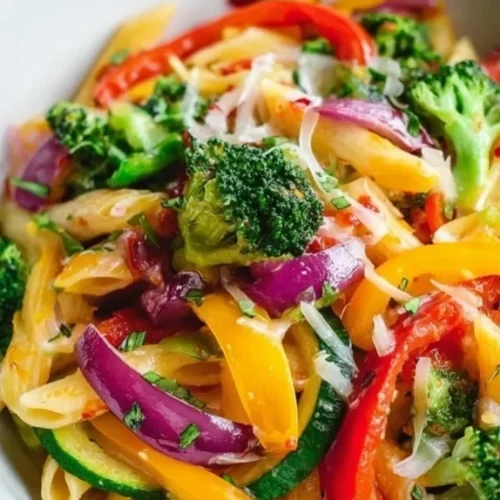
Vegetarian Pasta Primavera
A colorful and vibrant dish showcasing seasonal vegetables, fresh herbs, and robust flavors, making it a perfect choice for any occasion.
Ingredients
Pasta and Base Ingredients
- 8 oz Pasta (spaghetti, penne, or fusilli) Whole grain or gluten-free varieties recommended.
- 2 tablespoons Extra virgin olive oil Provides flavor and healthy fats.
- 3 cloves Garlic, minced Adds depth and aroma.
Vegetables
- 1 Red bell pepper, diced Provides sweetness and crunch.
- 1 Yellow bell pepper, diced Provides essential vitamins.
- 1 medium Zucchini, sliced Adds moisture and texture.
- 1 cup Broccoli florets Great source of fiber and nutrients.
- 1 cup Cherry tomatoes, halved Provides sweetness and acidity.
- Salt and black pepper, to taste Enhances flavor.
Garnishes
- Fresh basil leaves For garnish.
- Grated Parmesan cheese Optional for non-vegan serving.
Instructions
Cooking the Pasta
- Fill a large pot with water and bring it to a rolling boil. Once boiling, season with salt and add the pasta. Cook according to package instructions until al dente, about 8–10 minutes. Drain and reserve 1/4 cup of pasta water.
Preparing the Vegetables
- In a large skillet over medium heat, heat olive oil until shimmering. Add minced garlic and sauté for 30 seconds until fragrant, but not browned.
- Stir in the diced red and yellow bell peppers and cook for about 3 minutes until slightly softened.
- Add the sliced zucchini and broccoli florets, cooking for an additional 3-5 minutes, stirring frequently until tender-crisp.
Combining Ingredients
- Add halved cherry tomatoes and season with salt and pepper. Add the cooked pasta to the skillet, tossing to combine. Add the reserved pasta water gradually to reach desired consistency.
Serving
- Serve warm, garnished with fresh basil leaves and grated Parmesan cheese if desired.
Notes
Customize with seasonal vegetables and herbs. For a creamy option, mix in cream or cream cheese. Add protein sources like chickpeas or tofu for more heartiness. Store leftovers in an airtight container in the fridge for up to 4 days.