
Follow Me On Social Media!


Healthy Sautéed Vegetables

Healthy Sautéed Vegetables
Healthy sautéed vegetables are a delightful addition to any meal. Whether you’re looking for a vibrant side dish or a quick and nutritious main course, this simple preparation method makes it easier than ever to include more veggies in your diet. With their colorful appeal and rich nutrients, sautéed vegetables offer a plethora of health benefits while providing a satisfying crunch in every bite. Read on to explore why you’ll fall in love with this recipe, the ingredients you’ll need, and the easy steps to whip it up in no time!
Why You’ll Love It
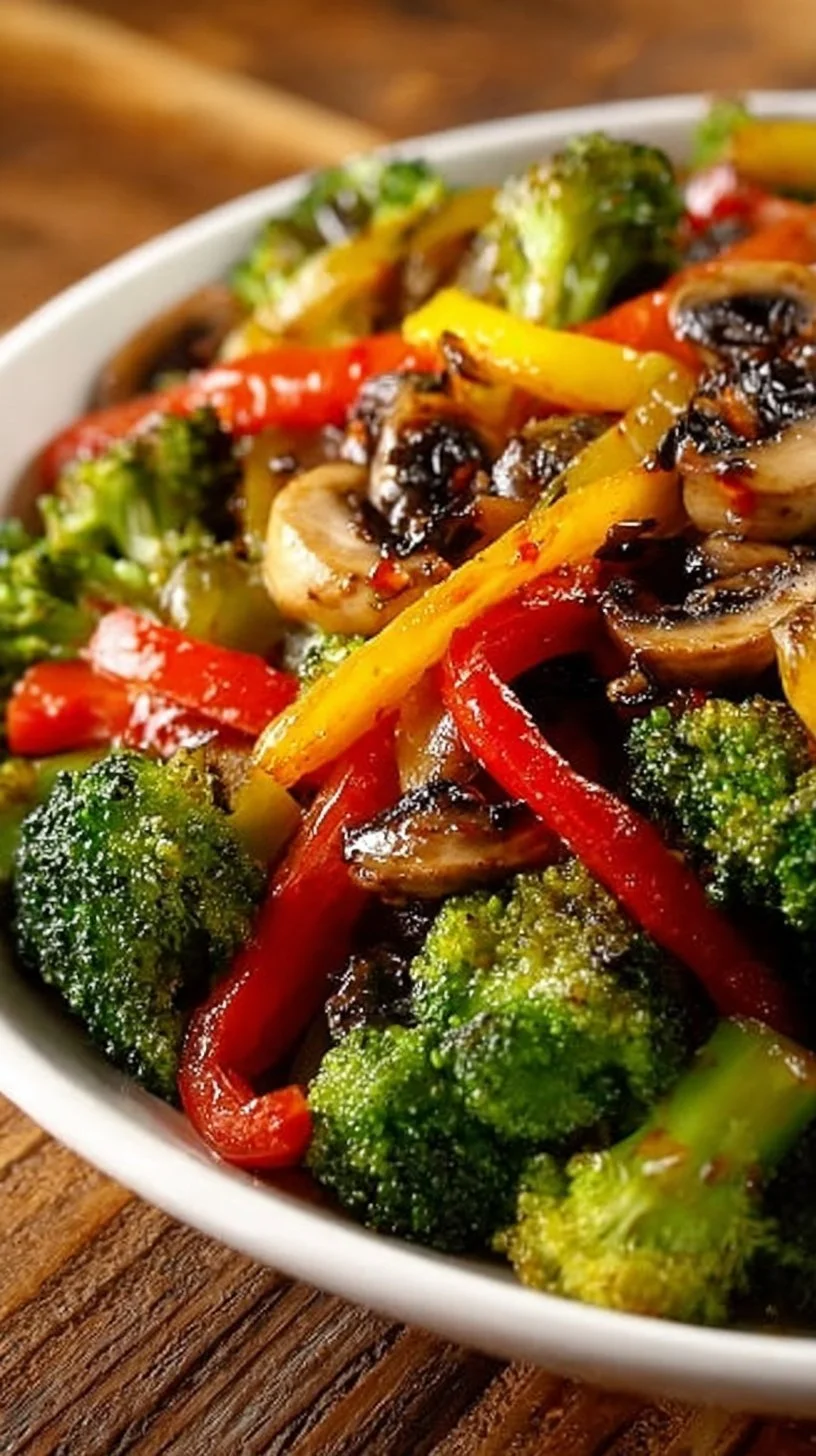
Healthy sautéed vegetables are not only delicious, but they’re also incredibly versatile, allowing you to experiment with flavors and ingredients to suit your palate. Each bite is bursting with flavor, thanks to the caramelization that occurs while sautéing. Plus, this method preserves the vegetables’ nutrient content, making them a satisfying choice for anyone conscious about health.
One of the greatest advantages of sautéed vegetables is their ability to be tailored to your dietary preferences or restrictions. Whether you’re vegan, vegetarian, or adhering to a low-carb diet, the beauty of this dish lies in its customization. You can mix and match various vegetables to include your favorites, creating endless combinations.
Emotionally, we often associate colorful meals with celebrations, satisfying cravings, and abundance. By making an effort to add vibrant sautéed vegetables to your plate, you automatically enhance your meal’s aesthetic appeal. Furthermore, the act of preparing fresh vegetables can be therapeutic and meditative, allowing you to engage with your food and nourish your body mindfully.
Eating healthy doesn’t have to be bland or boring, and sautéed vegetables are the proof. These vegetables provide essential vitamins and minerals, supporting your immune system and overall well-being. So, not only will you love the taste, but you will also appreciate how they contribute to a balanced diet.
Ingredients
- 1 medium zucchini
- 1 bell pepper (any color)
- 2 carrots
- 1 cup broccoli florets
- 1 red onion
- 4 cloves garlic
- 2 tablespoons olive oil
- Salt (to taste)
- Pepper (to taste)
- Fresh herbs (for garnish)
To create your healthy sautéed vegetables, you’ll need an assortment of fresh produce packed with flavor and nutrition. Start with a medium zucchini, which adds a tender texture when cooked. Next, select a bell pepper—choose your favorite color to enhance the dish visually and nutritionally. Carrots provide a slight sweetness, so two of these will be perfect for balancing the flavors. Broccoli florets contribute a delightful crunch and a wealth of vitamins. For a savory base, slice a red onion into thin wedges, and don’t forget the garlic! Four cloves of minced garlic will give your sautéed veggies that aromatic punch. You’ll need two tablespoons of olive oil for cooking, and be sure to season with salt and pepper to taste. For a final touch, fresh herbs—such as parsley, basil, or cilantro—make for a stunning garnish that elevates the dish.
How to Make Healthy Sautéed Vegetables
{image_template}
Step 1
Begin by preparing your fresh vegetables. Start by washing each vegetable thoroughly to remove any dirt or impurities. Once clean, chop the zucchini into half-moons, ensuring they are uniform in size for even cooking. Move on to the bell pepper, cutting it into strips that are both visually appealing and easy to eat. For the carrots, you will want to slice them thinly to encourage faster cooking, ensuring they retain their vibrant color and sweet flavor. Separate the broccoli into small, bite-sized florets. Lastly, slice the red onion into thin wedges and mince the garlic, setting them aside for the sautéing process.
Step 2
Once your veggies are prepped and ready to go, heat a large skillet over medium-high heat. The key is to achieve a hot surface that allows the vegetables to sauté without steaming. Once you feel the heat radiating from the skillet, add a couple of tablespoons of olive oil. Let the oil warm up for a moment before you add the prepared vegetables to the skillet. It’s essential not to overcrowd the pan, as this will trap steam and result in soggy veggies instead of that irresistible crispiness.
Step 3
With your chopped vegetables added to the skillet, it’s time to season them. Sprinkle salt and pepper over the veggies, keeping in mind that you can adjust the seasoning to your preference later. Stir the vegetables gently with a spatula or wooden spoon, allowing them to cook evenly. The goal is to achieve that tender-crisp texture, which typically takes about 5 to 7 minutes. Stir occasionally, checking for doneness and ensuring that each piece has a chance to caramelize for maximum flavor.
Step 4
As the vegetables begin to soften, it’s time to incorporate the garlic. Add the minced garlic to the skillet and cook it for an additional minute, letting the warm oil infuse the garlic’s aromatic flavor into the mix. After the minute is up, remove the skillet from heat. If needed, taste the vegetables and adjust the seasoning with a pinch more salt or pepper. Finish off by garnishing with your choice of fresh herbs before serving, creating a visually stunning and mouthwatering dish.
Directions
To prepare your healthy sautéed vegetables, start by washing and chopping all your veggies. Cut the zucchini into half-moons, slice the bell pepper into strips, thinly slice the carrots, and separate the broccoli into florets. Slice the red onion into thin wedges and mince the garlic. After preparing the vegetables, heat a large skillet over medium-high heat and add the olive oil, allowing it to warm. Next, carefully add the chopped vegetables into the skillet, ensuring that you don’t overcrowd them. Season the vegetables with salt and pepper, and stir occasionally as they cook for about 5-7 minutes, keeping them crispy yet tender. Afterward, add in the minced garlic and sauté for an additional minute, allowing all the flavors to combine. Once done, remove the pan from heat, taste for seasoning adjustments, and garnish with fresh herbs before serving.
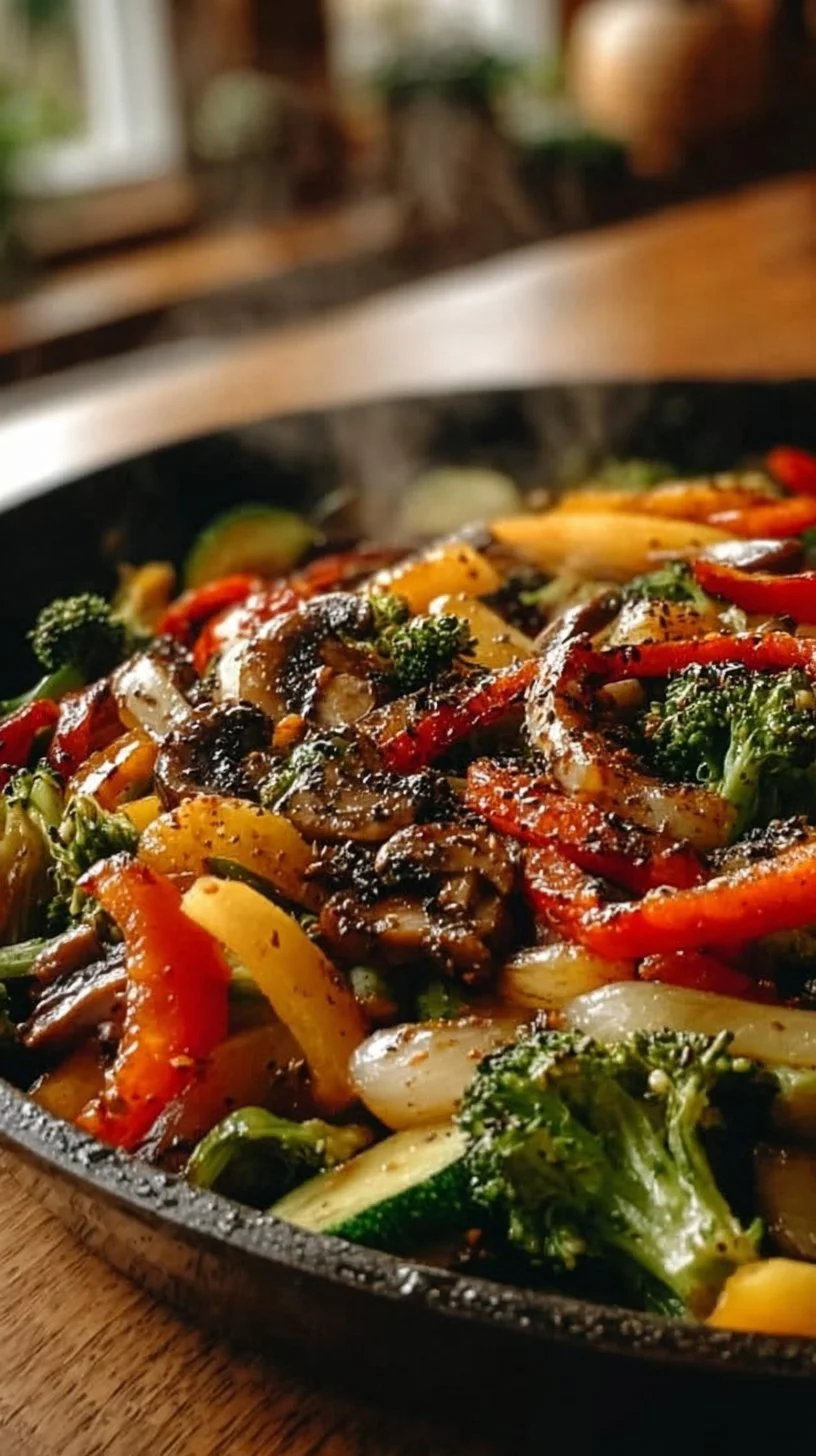
Helpful Notes
Cooking healthy sautéed vegetables can be incredibly forgiving. One crucial tip to keep in mind is the variety of vegetables you can integrate based on availability or what’s in season. Feel free to swap out zucchini for yellow squash, or broccoli for green beans. Mix and match according to your preferences and dietary restrictions.
Cooking times can vary dramatically depending on your stove’s temperature and the sizes of your vegetable pieces. Therefore, keep an eye on them to ensure you achieve the perfect texture. This dish serves well fresh, but it also stores nicely for tasty leftovers, making it an excellent make-ahead dish for meal prepping.
Storage & Reheating Tips
When storing your healthy sautéed vegetables, allow them to cool to room temperature before transferring them into an airtight container. Store them in the refrigerator, where they will keep well for up to three days. If you made a larger batch, you might want to portion them out for easy grab-and-go meals later in the week.
Reheating sautéed vegetables is incredibly straightforward. You can use either the microwave or a skillet for reheating. If using the microwave, place them in a microwave-safe dish, cover loosely, and heat in 30-second intervals until warmed through. For the stovetop method, heat a small amount of olive oil in a skillet over medium heat, then add the vegetables and sauté just until warmed up.
FAQs
What vegetables are best for sautéing?
When it comes to sautéing, virtually any vegetable will work. However, favorites include bell peppers, zucchini, carrots, broccoli, and onions, as they cook quickly and offer fantastic flavors.
Can I use frozen vegetables instead of fresh?
Yes, you can use frozen vegetables; however, they often contain more water, which may lead to steaming instead of sautéing. Be sure to thaw and drain them for the best texture.
How can I make sautéed vegetables more flavorful?
Consider adding spices, herbs, or sauces to elevate your sautéed vegetables’ flavor profile. A splash of soy sauce, lemon juice, or a sprinkle of your favorite herbs can transform the dish.
Is sautéing vegetables a healthy cooking method?
Absolutely! Sautéing is generally considered a healthy cooking technique, as it requires minimal oil and retains the vegetables’ nutrients better than some other cooking methods such as boiling.
Can I meal prep sautéed vegetables?
Yes, sautéed vegetables are excellent for meal prep! You can make a large batch at the beginning of the week and store them in the fridge for quick additions to lunches or dinners.
How do I prevent my sautéed vegetables from becoming soggy?
To avoid soggy vegetables, ensure that you don’t overcrowd the pan while cooking. If necessary, sauté in batches, allowing each piece to make contact with the hot skillet for better caramelization.
Can I add protein to my sautéed vegetables?
Certainly! Adding protein like chicken, shrimp, or tofu can transform your sautéed vegetables into a balanced meal. Just remember to cook the protein separately before combining them with the veggies.
Conclusion + CTA
In conclusion, healthy sautéed vegetables offer an easy and delicious way to enhance any meal while contributing to a balanced diet. With their vibrant colors, rich flavors, and numerous health benefits, there’s no reason not to include them in your culinary repertoire. We encourage you to try this recipe and get creative with your favorite vegetables. Remember, healthy sautéed vegetables can easily become the star of your dinner plate. So go ahead, sauté your way to better health!
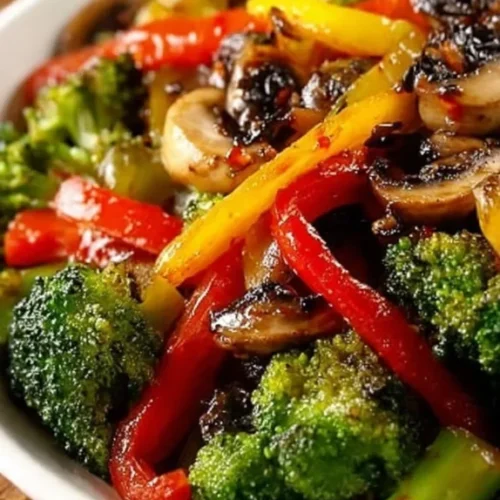
Healthy Sautéed Vegetables
A vibrant and nutritious dish that brings a delightful crunch and rich flavors to any meal, perfect as a side or a main course.
Ingredients
Vegetables
- 1 medium zucchini Chopped into half-moons
- 1 piece bell pepper Any color, cut into strips
- 2 pieces carrots Thinly sliced
- 1 cup broccoli florets Separated into small pieces
- 1 piece red onion Sliced into thin wedges
- 4 cloves garlic Minced
Cooking Essentials
- 2 tablespoons olive oil For sautéing
- to taste Salt Season as needed
- to taste Pepper Season as needed
- to taste Fresh herbs For garnish (parsley, basil, or cilantro)
Instructions
Preparation
- Wash all vegetables thoroughly to remove dirt.
- Chop the zucchini into half-moons, cut the bell pepper into strips, thinly slice the carrots, and separate the broccoli into florets.
- Slice the red onion into thin wedges and mince the garlic.
Cooking
- Heat a large skillet over medium-high heat.
- Add olive oil to the hot skillet.
- Carefully add the chopped vegetables, ensuring not to overcrowd the pan.
- Season with salt and pepper.
- Sauté the vegetables for about 5 to 7 minutes, stirring occasionally, until tender-crisp.
- Add minced garlic and cook for another minute.
- Remove from heat, taste, and adjust seasoning if needed.
- Garnish with fresh herbs before serving.
Notes
Feel free to swap out vegetables based on availability or preferences. This dish can be made ahead and stores well for leftovers, keeping in the refrigerator for up to three days.