Follow Me On Social Media!


Hungarian Goulash Recipe

Hungarian Goulash Recipe
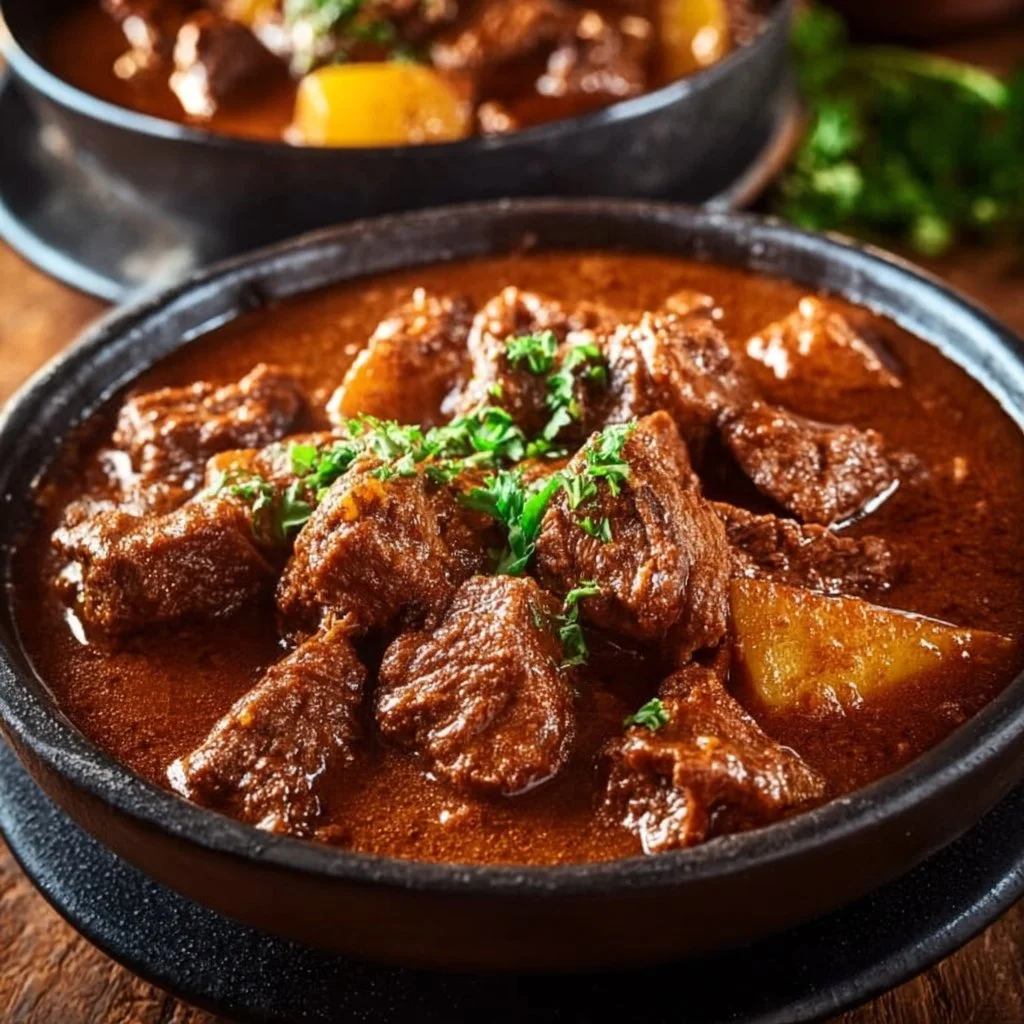
Hungarian Goulash is a dish steeped in history and flavor. This rustic stew, rich with deep, savory notes, hails from Hungary, where it has captured the hearts—and stomachs—of many. Imagine a warm bowl of hearty beef, infused with aromatic spices, and served over a bed of tender noodles or with crusty bread; it’s comfort food at its finest. This recipe brings to life the essence of traditional Hungarian Goulash, bringing warmth not just to your kitchen but also to the table.
What Makes This Recipe Stand Out
What sets this Hungarian Goulash apart from others you may encounter is not just its ingredients but also the meticulous attention to technique and flavor balance. From the initial searing of the beef, which creates that essential Maillard crust, to the careful blending of spices that infuse the broth with warmth and depth, every step is designed to enhance the dish’s authenticity. Also, this recipe shines in its adaptability—while being deeply traditional, it allows for adjustments to suit your personal taste or dietary preferences. Every bowl tells a story, not just of the meal itself but of a cultural heritage that invites you to savor and appreciate its roots.
The emotional connection evoked by a hearty bowl of goulash reminds many of home-cooked meals and the love that goes into them. Additionally, as you take time to simmer the stew and let flavors meld, you create a culinary experience that goes beyond just satisfying hunger—it’s about making memories. Not to mention, the rich aroma that wafts through your home as it cooks will draw family and friends to the kitchen, eagerly awaiting dinner.
Ingredient Breakdown
Before diving into the preparation of this delicious Hungarian Goulash, let’s look at what you’ll need to gather for this recipe.
- 2 pounds stewing beef, cut into 1-inch cubes
- 3 tablespoons olive oil
- 2 large onions, roughly chopped
- 4 cloves garlic, minced
- 2 tablespoons sweet paprika
- 1 teaspoon ground caraway seeds
- 1 teaspoon dried oregano
- 2 bay leaves
- 1 tablespoon brown sugar
- 1 can (15 ounces) tomato sauce
- 2 tablespoons balsamic vinegar
- 4 cups beef broth
- Salt and pepper to taste
- Freshly chopped parsley for garnish
Each ingredient plays a pivotal role in the overall flavor profile and texture of the goulash. Stewing beef, typically tougher cuts like chuck, benefits from long cooking, becoming tender and flavorful as it simmers. Olive oil serves as the medium for cooking and adds richness to the dish. Onions and garlic lay the foundation for flavor—when sautéed, they caramelize and infuse the dish with sweetness and depth. Sweet paprika is the star spice, giving the goulash its characteristic red hue and distinctive flavor, while ground caraway seeds lend an earthy, slightly sweet undertone that complements the beef beautifully. Oregano and bay leaves introduce herbal notes that marry perfectly with the other components. Brown sugar balances the acidity from the tomato sauce and vinegar, creating a harmony between sweet and savory. Finally, the beef broth contributes to a robust, nourishing base for the stew, making every bite comforting and satisfying.
| Ingredient | Role in the Dish |
|————————|———————————————————–|
| Stewing beef | Provides hearty, rich flavor and tender texture |
| Olive oil | Adds richness and facilitates the browning process |
| Onions and garlic | Build foundational sweetness and depth of flavor |
| Sweet paprika | Essential for color and distinctive Hungarian flavor |
| Ground caraway seeds | Adds earthy, aromatic notes |
| Dried oregano | Contributes herbal undertones |
| Bay leaves | Infuses a subtle earthy flavor |
| Brown sugar | Balances acidity, enhances overall flavor |
| Tomato sauce | Thickens and enriches the broth |
| Balsamic vinegar | Provides acidity and depth to the stew |
| Beef broth | Forms the base of the stew, enhancing overall flavor |
Step-by-Step Preparation for Hungarian Goulash
{image_template}
Step One
Begin by heating a large, deep skillet or Dutch oven over high heat. This initial step is crucial, as searing the beef locks in the moisture and enhances the flavor, creating that golden-brown crust. Add the olive oil and wait for it to shimmer slightly—this indicates it’s hot enough for the beef. Carefully add the cubed stewing beef in a single layer. It’s important that you don’t overcrowd the pan, as this will steam the beef instead of searing it. Generously season with salt and pepper.
Sear the beef on all sides until it develops a rich brown crust. This process is not just visually appealing; it’s a key part of flavor development due to the Maillard reaction, where proteins and sugars react to heat. As the beef cooks, it will initially release some liquid, so don’t panic! Instead, continue searing until most of that moisture has evaporated and the beef achieves that glorious color. Once properly browned, remove the beef from the skillet and set it aside.
Step Two
Lower the heat to medium-high and take advantage of the flavorful bits that have stuck to the bottom of the pan, known as fond. To do this, add the roughly chopped onions and minced garlic to the same skillet. Cook for about five minutes, allowing the onions to soften and become translucent. This step is crucial—it not only enhances the aromatic profile of the dish but also adds natural sweetness as the sugars in the onions begin to caramelize.
Keep stirring occasionally, scraping up any browned bits from the bottom of the pan as you go, ensuring you incorporate all that rich flavor into your base. The inviting aroma during this stage will define the heart of your goulash, setting the stage for the subsequent layers of flavor.
Step Three
Next, you’ll need to add your spices, as getting them right will elevate your goulash significantly. Turn down the heat to medium-low to avoid burning the paprika. Add the sweet paprika, ground caraway seeds, dried oregano, bay leaves, and brown sugar to the skillet with the softened onions and garlic. Stir everything together thoroughly until the spices coat the onions and garlic evenly.
Cook the mixture for about 30 seconds, continually stirring until the spices become fragrant. This technique, known as blooming, releases the essential oils within the spices, enhancing their flavor. However, be cautious not to overcook the paprika, as it can quickly turn bitter if burned; this is where precision comes in.
Step Four
With your aromatics and spices harmoniously combined, it’s time to build the main body of the goulash. Pour in the tomato sauce, balsamic vinegar, and beef broth. Give everything a good stir, ensuring that all components meld beautifully and any remaining fond at the bottom of the pan is incorporated into the liquid. The tomato sauce not only adds richness and color but also balances the flavors with its acidity. The balsamic vinegar brings an intriguing depth that contrasts delightfully with the stew’s richness.
Return the seared beef to the skillet, nestling it into the broth. Bring the mixture to a boil over medium-high heat, then reduce the heat to low. Cover the skillet or Dutch oven tightly with a lid and let it simmer gently for about two hours. This slow cooking allows the tough connective tissues in the beef to break down, resulting in incredibly tender meat that practically falls apart. Stir occasionally to ensure even cooking and prevent sticking. As it simmers, the liquid will reduce and thicken, forming a flavorful sauce. If the sauce becomes too thick, don’t hesitate to add a bit more beef broth or water as needed.
Full Cooking Directions
Begin by heating a large, deep skillet or Dutch oven over high heat. The key to developing deep, savory flavors in the goulash lies in properly searing the beef. Add the olive oil to the hot pan, letting it heat until it shimmers slightly. This indicates that the oil is hot enough for searing. Now, add the stewing beef to the skillet in a single layer; be careful not to overcrowd the pan, as overcrowding lowers the temperature and causes the beef to steam instead of sear. Season the beef generously with salt and pepper. Sear the beef on all sides until it develops a rich brown crust. Initially, the beef will release liquid; don’t be alarmed; this is normal. Searing is crucial because it creates the Maillard reaction, a chemical process that produces hundreds of flavor compounds, adding depth and complexity to the goulash. Remove the browned beef from the skillet and set aside.
Reduce the heat to medium-high. In the same skillet, now infused with the delicious browned beef fond, add the roughly chopped onions and minced garlic. Cook for about five minutes, stirring occasionally, until the onions soften and become translucent. As the onions cook, they will release their natural sugars and begin to caramelize, adding sweetness and depth to the base of the goulash. The garlic will become fragrant, infusing the oil with its pungent aroma. Scrape up any browned bits from the bottom of the pan as you stir the onions and garlic; these flavorful bits will dissolve into the sauce and enhance its richness.
Next, turn down the heat to medium-low to prevent the paprika from burning. Add the sweet paprika, ground caraway seeds, dried oregano, bay leaves, and brown sugar to the skillet with the softened onions and garlic. Stir to combine, ensuring the spices coat the onions and garlic evenly. Cook for about 30 seconds, stirring constantly, until the spices become fragrant and bloom. Be careful not to overcook the paprika; it can become bitter if burned.
Add the tomato sauce, balsamic vinegar, and beef broth to the skillet. Stir well to combine all ingredients, scraping up any remaining browned bits from the bottom of the pan. The tomato sauce adds depth and color, while the balsamic vinegar provides a touch of acidity. The beef broth will form the liquid base, infusing it with savory flavor.
Return the seared beef to the skillet, nestling it into the broth. Bring the mixture to a boil over medium-high heat. Once boiling, reduce the heat to low, cover tightly with a lid, and simmer gently for about two hours until the beef is fork-tender. Slow cooking allows the tough connective tissue in the beef to break down gradually, resulting in incredibly tender and succulent meat. Stir the goulash occasionally during cooking to ensure even cooking and prevent sticking. The liquid will reduce down and thicken, creating a rich and flavorful sauce. If the liquid reduces too much, add more beef broth or water as needed.
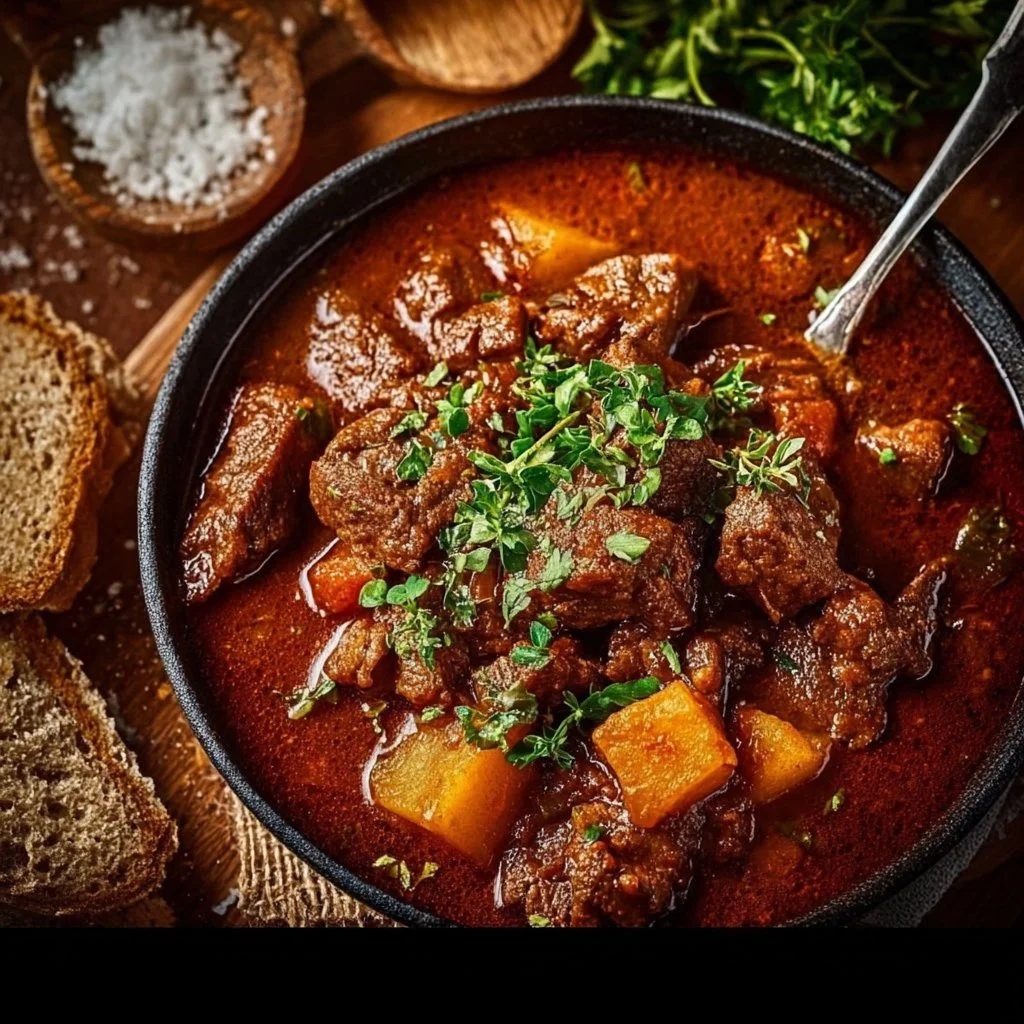
After two hours, check the beef for tenderness; it should be easily pierced with a fork and fall apart with gentle pressure. Taste the goulash for seasoning and adjust with salt and pepper as needed. This crucial step ensures that the flavors are balanced to your preference. If you feel it needs more depth, add a pinch more paprika or a dash of balsamic vinegar. If it’s too acidic, add a tiny pinch of brown sugar. Remove the bay leaves before serving, and garnish generously with freshly chopped parsley. Serve hot over your choice of accompaniments, such as egg noodles, mashed potatoes, or crusty bread.
Pro Tips & Extra Guidance
When making Hungarian Goulash, keep in mind these valuable tips to elevate your dish further. First, consider using high-quality beef; a good cut can significantly affect the overall taste and texture. If time allows, marinating the beef overnight in a mixture of spices can deepen flavors.
Experiment with the spices as well; try adding crushed red pepper for a spicy kick or some fresh herbs like thyme for additional layers of flavor. If you prefer a slightly thicker sauce, you can mix a tablespoon of cornstarch with two tablespoons of cold water and stir it into the pot 10 minutes before serving to help thicken.
For variations, consider substituting some or all of the beef with pork or even a plant-based protein for a vegetarian twist. Lastly, let the goulash rest for a few minutes before serving; this allows the flavors to meld even better.
Best Practices for Storing & Reheating
To keep your Hungarian Goulash fresh, consider these storage guidelines. After cooking, allow the goulash to cool to room temperature before transferring it to an airtight container. Refrigerate it for up to three days. For longer storage, you can freeze goulash for up to three months; just be sure to let it cool completely before freezing.
When reheating, do so slowly on the stove over medium heat, adding a splash of beef broth or water if needed to thin it out, stirring frequently until heated through. Alternatively, you can use a microwave, but place it in a microwave-safe dish and cover with a lid to prevent splatters.
Common Questions Answered
How do I know when the beef is tender enough?
The beef should easily fall apart under gentle pressure from a fork. If you have trouble piercing it, let it simmer longer.
Can I use a different cut of beef?
Yes, while stewing beef works best, you can experiment with chuck roast, brisket, or even sirloin if you prefer.
Is Hungarian Goulash spicy?
Traditional Hungarian Goulash isn’t typically spicy. However, you can add crushed red pepper or other spicy seasonings to customize it to your preference.
Can I make Hungarian Goulash in a slow cooker?
Absolutely! Sear the beef first, then add all ingredients to the slow cooker and cook on low for 6-8 hours for a hands-off approach.
What should I serve with goulash?
Common accompaniments include egg noodles (spaetzle), Hungarian nokedli, crusty bread, or even mashed potatoes.
How can I adjust the flavors if it’s too acidic?
You can counterbalance acidity by adding a tiny pinch of sugar or a small amount of cream or sour cream.
What’s the best way to store leftovers?
Store the cooled goulash in an airtight container in the refrigerator for up to three days, or freeze for up to three months.
Final Thoughts + Call to Action
Hungarian Goulash is more than just a meal; it’s a picturesque dish that warms hearts and homes. With its complex flavors developed through careful preparation, every bite brings a taste of Hungary to your table. So, whether you’re enjoying a cozy weeknight dinner or hosting a gathering, this classic recipe is sure to impress. Try making this Hungarian Goulash today, and allow yourself to be enveloped in its profound aromas and comforting taste—your kitchen will thank you, and so will your guests.